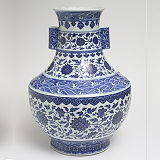
The Spencer Museum of Art is an art museum located on the University of Kansas campus in Lawrence, Kansas. Its collection includes a diverse range of cultural artifacts from around the world, with a particular focus on Native American artifacts.
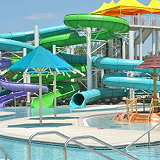
Kenwood Cove Water Park is the largest water park in the area, located in Salina, Kansas, featuring thrilling rides, a 1,400-foot adventure slide, waves, a children's play area, and other fun attractions for the whole family.
Manhattan is a city and the county seat of Riley County, Kansas. Located in northeastern Kansas, it sits at the confluence of the Kansas River and the Big Blue River. The city had a population of 54,100 in 2020. Come and experience the American Midwest, discover the charm of a college city, and enjoy its vibrant atmosphere with diverse shopping options, unique local cuisine, and one-of-a-kind attractions.
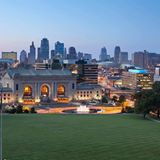
Overland Park is the second most populous city in Kansas. The city is situated at an elevation of 951 ft (290 m). Overland Park's population in 2020 was 197,238, up from 195,494 in 2019. Overland Park boasts numerous attractions, including several outstanding local restaurants, a renowned dinner theater, scenic parks, several golf courses, and some of the top youth sports venues in the Midwest.
The Marianna Kistler Beach Art Museum is an art museum located on the Kansas State University campus, in Manhattan. The museum houses KSU's permanent art collection, featuring works by Kansas and regional artists, and also hosts special and traveling exhibitions. The museum boasts a collection of over 10,000 items.
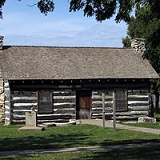
The Riley County Historical Museum collects, preserves, and showcases the history of Riley County, while promoting interest in local history and the preservation of historical heritage in all its forms. Visitors can tour the Hartford House, a prefabricated house transported to Manhattan on the Hartford steamship.
Sunset Zoo is a city zoo in Manhattan, Kansas, home to over 300 animals belonging to more than 100 species. The zoo offers the chance to see up close some of nature's most fascinating wonders, including tigers, snow leopards, flamingos, and countless jumping and croaking primates!
The Smoky Hill Museum explores history in unique ways with engaging interactive activities in every corner. It's a large museum in miniature, intentionally designed to make children eager to stay longer and adults want to return again and again. Exhibits and programs are inspired by the countless stories of the Salina region and the museum's collection of over 30,000 artifacts.
The Arkansas Alligator Farm and Zoo includes areas where visitors can pet ostriches, pygmy goats, and sheep; food is provided free of charge to all visitors. And, the farm not only has adult and baby alligators, but also lives in primates, ducks, wolves, turkeys, peacocks, and many other animals!
Woolly Hollow State Park is a 375-acre (152 ha) Arkansas state park located in Faulkner County, Arkansas. It offers a typical state park experience with fishing, boating, and swimming on the 40-acre Lake Bennett in Greenbrier, about 18 miles north of Conway. The park has a boat dock with canoe, kayak, and pedal boat rentals.
Hot Springs is a resort city in Arkansas and the county seat of Garland County. Located in the beautiful Ouachita Mountains of the U.S. Inland Highlands, the city is surrounded by several natural hot springs after which it is named. The city had a population of 37,930 in 2020.
Greenbrier is a city in Faulkner County, Arkansas. It is located in central Arkansas and has an elevation of 109 meters (358 ft). According to the 2020 census, the population was 5,707, up from 4,706 in 2010. Greenbrier is known for its outdoor recreational activities at Woolly Hollow State Park and the large Arkansas Peddler Antique Mall.
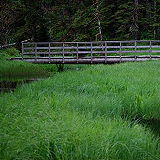
The Alaska Rainforest Preserve in Ketchikan, Alaska, is a private nature reserve and ecotourism destination dedicated to preserving the pristine rainforests of southeastern Alaska. Located near Ketchikan, the preserve offers visitors the opportunity to experience the region's lush temperate rainforests through guided tours, wildlife viewing, and outdoor activities.
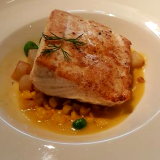
Seven Glaciers is an upscale restaurant located in Girdwood, Alaska, a small town nestled in the Chugach Mountains, just south of Anchorage. The restaurant sits atop Mount Alyeska and offers stunning panoramic views of the surrounding mountains and glaciers.
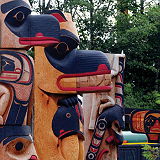
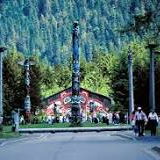
The Totem Bight Historic Site is a park and cultural site located in Ketchikan, Alaska. It houses a collection of totem poles and other cultural artifacts. The totem poles are carved by contemporary artists and replicate the designs and symbols of the original totem poles erected in the area centuries ago.
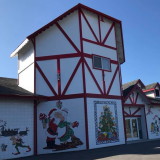
North Pole is a small city located in Fairbanks North Star County, Alaska. Despite its name, North Pole is not geographically situated at the Arctic Circle, but rather deep within Alaska, approximately 1,700 miles south of the Arctic Circle. The city had a population of 2,243 in 2020.
College is a census-designated location in Fairbanks North Star County, Alaska. It is situated at an elevation of 449 ft (137 m). According to the 2020 census, the population was 11,332, down from 12,964 in 2010. College is the third largest census-designated location in Alaska.
Tongass National Forest is a vast wilderness area located in southeastern Alaska, encompassing over 16.7 million acres. It is the largest national forest in the United States and is home to a diverse array of wildlife, including black bears, bald eagles, moose, and humpback whales.
Ketchikan is a city and the administrative center of Ketchikan Gateway County on Revillagigedo Island, Alaska. It is the largest settlement in the far southeastern part of the state. The Ketchikan city center is a National Historic Site. According to the 2020 census, the city's population was 8,192, up from 8,050 in 2010. Ketchikan is best known as the "Salmon Capital of the World".
The Totem Heritage Center is a museum located in Ketchikan, Alaska, that houses a collection of totem poles and other artifacts of the Tlingit, Haida, and Tsimshian indigenous peoples of southeastern Alaska. Established in 1976, the museum is dedicated to preserving and sharing the region's cultural heritage.