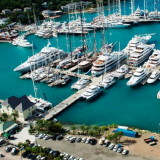
| Ffryes Beach | |
| Ffryes Beach is a beautiful white sand beach located in the village of Ffryes, Saint Mary, on the west coast of Antigua. The sea at Ffryes Beach is usually very calm, with relatively easy access to shallow water, making it an ideal destination for families and those who are not very confident in their step. | |

| Sint Michiel | |
| Sint Michiel is an old fishing village in Willemstad, located south of Bullenbaai Bay on the west coast of Curaçao. The village had a population of 5,732 in 2011. The area is surrounded by natural areas around hills. Blue Bay is a bay with a beach, tourist attractions, luxury apartments, the Blue Bay Sculpture Garden, and the Jong Colombia football team. | |
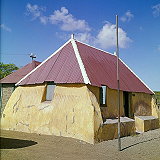
| Fort Beekenburg | |
| Beekenburg Fort is a historic fort located near Jan Thiel on the southeastern coast of Curaçao. It is a prominent landmark with a rich history and stunning scenery. It is a well-preserved 18th-century defensive structure, built by the Dutch during the colonial period around 1704 to protect the island's coastline and important port areas from pirates and potential invaders. | |
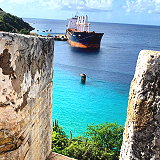
| Jan Thiel | |
| Jan Thiel is a popular resort area and destination located on the southeastern coast of Curaçao, a Caribbean island known for its vibrant culture, stunning beaches, and turquoise waters. It is part of the larger Jan Thiel Bay area, which includes beaches, resorts, and recreational facilities. Visitors can enjoy activities such as snorkeling, scuba diving, swimming, and paddleboarding. | |
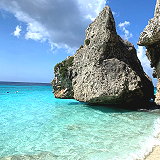
| Sabana Westpunt | |
| Sabana Westpunt is a rural village located at the northwesternmost point of the island of Curaçao, a Dutch nation in the Caribbean, known for its rugged coastlines, top diving spots, and stunning beaches. Westpunt is home to some of the island's most beautiful coral sand beaches, including Playa Kalki, Playa Forti, Playa Gipy, Grote Knip, and Kleine Knip. The population was 738 in 2011. | |
| Tera Kora | |
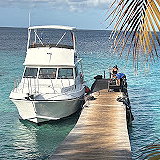
| Tera Kora is a town in the Bandabou district of Curaçao Island. It is located near the center of the island. Grote Berg and Siberia are also part of Tera Kora. The town had a population of 4,388 in 2011. Tera Kora is known for its wind turbines and its proximity to natural parks, offering a tranquil, inland lifestyle. | |

| Iglesia Ermita | |
| Famous for its Gothic style, the church was built between 1930 and 1948, and the 18th-century marble altar was imported from Italy. The musical clock and windows come from Amsterdam, while the iron gate was manufactured in Cali in 1973. La Ermita Church houses images dating back more than three centuries, such as Our Lady of Sorrows, Saint Roque, Saint Jose, and Christ the Redeemer. | |

| Montego Bay | |
| Montego Bay, Jamaica, is a vibrant Caribbean destination known for its stunning beaches, lively culture, and captivating attractions. Located on Jamaica's northwest coast, Montego Bay is a popular cruise port and tourist hub. It's famous for the beautiful Seven Mile Beach, its turquoise waters, and coral reefs. | |

| Spanish Town | |
| Spanish Town is the capital and largest town of the parish of St. Catherine in the historic Middlesex County, Jamaica. As the capital of Jamaica from 1534 to 1872, Spanish Town is the center of the island's social, economic, and political life. Its estimated population in 2021 was 145,018. | |

| Vieux Fort | |
| Vieux Fort is one of the ten districts of the Caribbean island nation of Saint Lucia. Vieux Fort is also the name of the district's main town. It is the second largest town in Saint Lucia, with a population of 14,754 in 2010, and is home to Saint Lucia's Hewanorra International Airport. | |

| Trujillo | |
| Trujillo is a coastal city in northwestern Peru and the capital of La Libertad Province. The city is situated on the banks of the Moche River, near its mouth into the Pacific Ocean, in the Moche Valley. It was once the site of the great prehistoric Moche and Chimu cultures before the Inca conquest and expansion. The city's population is projected to be 1,067,700 in 2025. | |

| Gros Islet | |
| Gros Islet District, one of the ten first-level administrative units of the Caribbean island nation of Saint Lucia, comprises the northernmost point of the island, Cap Point, and the prominent Cap Estate. The district had a population of 20,872 in 2010. While the town of Gros Islet is an important administrative center, Rodney Bay serves as the district's main financial hub. | |

| Valparaiso Region | |
| The Valparaíso region is one of Chile's 16 first-tier administrative units. With the second-highest population in the country, reaching 1,896,053 as of 2024, it has the second-highest population density in Chile after the Santiago metropolitan area in the southeast. The region's capital is the port city of Valparaíso. | |
| Chihuahua | |
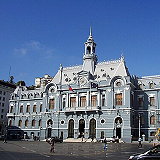
| Chihuahua is one of 31 states, along with Mexico City, that make up Mexico's 32 federal entities. The highest elevation is at Cerro Mohinora, at 3,300 m (10,800 ft). The state's population was 3,741,869 in 2020. The capital is Chihuahua City, and the largest city is Ciudad Juárez. | |

| Magdalena River | |
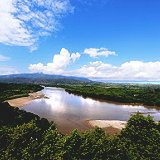
| The Magdalena River is Colombia's main river, flowing north for approximately 1,528 km (949 miles) through the western half of the country. It is navigable by boat for much of its lower course, despite shifting sandbars at the delta's mouth, all the way to Honda, at the foot of the downstream falls. The river flows through the Magdalena Valley. | |
| Salar de Juni | |
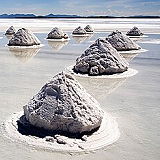
| The Salar de Uyuni, located in southwestern Bolivia, is the world's largest salt flat and one of the most breathtaking natural landscapes on the planet. This vast expanse of salt crust covers an area of over 10,000 square kilometers (3,900 square miles) and offers a surreal and otherworldly experience for visitors. | |
| Tiwanaku | |
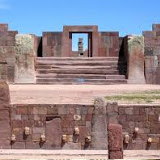
| Tiwanaku is a ruined ancient city located near Lake Titicaca in western Bolivia. Tiwanaku (or Tiahuanaco) was the capital of the Tiwanaku Empire from approximately 200 to 1000 AD and lies within the Lake Titicaca basin. At an altitude of 3,850 meters (12,600 ft), it was the highest city in the ancient world and had a peak population of between 30,000 and 70,000 inhabitants. | |
| Puma Punku | |
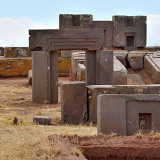
| Puma Punku is an ancient archaeological site located near the city of Tiwanaku in Bolivia. It is believed to have been built by the Tiwanaku culture around 500 AD, and it is considered one of the most important and mysterious archaeological sites in South America. | |
| Gros Piton | |
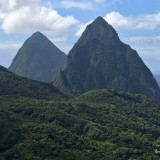
| Gros Piton is one of Saint Lucia's most iconic landmarks, located in the southwest of the island. A UNESCO World Heritage Site, it offers breathtaking scenery and numerous opportunities for outdoor exploration. The area is protected to preserve its natural beauty, unique geological features, and the diverse ecosystem it supports. | |
| Falmouth Harbour | |
| Falmouth Harbour is a horseshoe-shaped bay and natural harbor located on the southernmost coast of the island of Antigua in Antigua and Barbuda. It belongs to the parish of Saint Paul. Falmouth Harbour offers a unique blend of Caribbean heritage, waterfront restaurants, vibrant bars, high-end boutiques and essential maritime services – all within easy reach of the marina. | |