|
Philae Temple Complex Aswan, Aswan Governorate, Egypt Last Updated: 02/11/2026 |
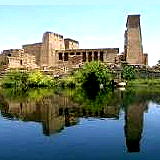
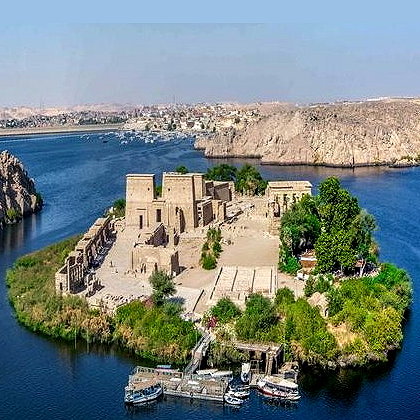
| The Philae Temple Complex is an ancient Egyptian temple complex located on Philae Island in the Nile River near Aswan, Egypt. It is renowned for its well-preserved temples and structures dedicated to various deities. | |
| - Location: The Philae Temple Complex is situated on Philae Island, which is located south of the Aswan High Dam. The island's location in the Nile made it a natural site for religious and spiritual significance. - Historical Significance: The temples on Philae Island date back to the Ptolemaic and Roman periods of ancient Egypt, spanning from the 4th century BCE to the 4th century CE. The complex was dedicated to the goddess Isis and other deities. - Religious Significance: The main temple at Philae is dedicated to the goddess Isis, who was venerated as the mother of Horus and a symbol of motherhood, fertility, and protection. The island was considered sacred, and pilgrims from all over Egypt would visit to honor the goddess. - Architecture and Structures: The complex includes various structures, including the main Temple of Isis, the Trajan's Kiosk - a Roman-style pavilion, the Gate of Ptolemy II, the Temple of Hathor, and more. The buildings showcase a blend of Egyptian and Greco-Roman architectural styles. - Decorations and Inscriptions: The walls of the temples are adorned with intricate carvings, hieroglyphics, and scenes depicting religious rituals, legends, and offerings to the gods. - Island Relocation: Due to the construction of the Aswan High Dam in the 20th century, the Philae Temple Complex faced the threat of submersion in the rising waters of the Nile. In an impressive engineering feat, the entire complex was dismantled and relocated to Agilkia Island, adjacent to Philae Island. - UNESCO World Heritage Site: The Philae Temple Complex, along with other monuments in the Nubia region, was designated as a UNESCO World Heritage Site in 1979 for its cultural significance and the effort to preserve it from flooding. - Light and Sound Show: The Philae Temple Complex hosts a nightly light and sound show that illuminates the structures and brings the ancient history and legends of the site to life through narration and dramatic lighting effects. - Tourism: The temple complex is a popular tourist destination, attracting visitors who are captivated by its historical importance, architectural beauty, and the stories associated with the goddess Isis. - Spiritual and Cultural Symbolism: The Philae Temple Complex represents not only the religious beliefs of ancient Egypt but also the resilience of cultural heritage preservation efforts in the face of modern development. The Philae Temple Complex remains an iconic testament to ancient Egyptian devotion and architectural prowess. Its relocation and preservation efforts underscore the dedication to safeguarding the cultural heritage of Egypt. | |
Wikipedia
Egypt » Aswan
Place » Historical Place
|
Aswan Governorate Place » City Aswan Province is one of Egypt's 27 provinces. It is the southernmost province of Upper Egypt, covering much of Lake Nasser. The provincial capital is Aswan City. The province's population was 1,685,743 in 2024. 8 views 💖 1 👍 0Egypt |
|
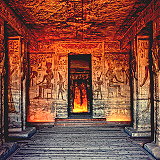
Temple of Nefertari Place » Historical Place The Temple of Nefertari is an ancient Egyptian temple located in the province of Aswan, Egypt. Built during the reign of Pharaoh Ramesses II in the 13th century BC, it was dedicated to the goddess Hathor and Queen Nefertari, Ramesses II's principal wife. The temple is renowned for its beautifully decorated walls, featuring numerous inscriptions and reliefs depicting Nefertari and Ramesses II. 7 views 💖 1 👍 0Abu Simbel, Aswan Governorate 1211501, Egypt |
|
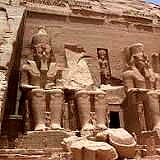
Abu Simbel Temples Place » Historical Place The Abu Simbel Temples are a pair of ancient Egyptian temples located near the southern border of Egypt, close to the town of Abu Simbel. These temples are renowned for their monumental size, impressive architecture, and historical significance. 818 views 💖 9 👍 0Abu Simbel, Egypt |