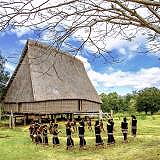
Gia Lai is a province located in the Central Highlands region of Vietnam. It is situated in the central part of Vietnam, bordering Cambodiato the west. The province is known for its mountainous terrain, lush forests, and beautiful landscapes. As of 2003 the province had a population of 1,641,829.
348 đường Nguyễn Viết Xuân, Hội Phú, Gia Lai 600000, Vietnam
503 views 💖 1
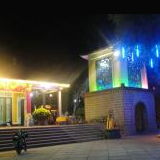
Chua Minh Thanh is one of the biggest and most beautiful pagodas in Pleiku. It is located on the hill of South West Pleiku City. The pagodaconsists of presbytery, bell tower, the tower of Pagoda and many other architectures.
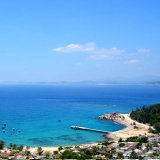
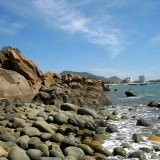
Bãi trứng - khu du lịch Ghềnh Ráng is a popular tourist destination located along the coast of Qui Nhon, Gia Lại, Vietnam. It offers panoramic views of the sea and is known for its rugged cliffs and scenic landscapes.
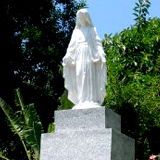
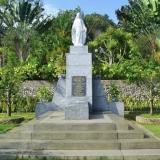
Mộ Hàn Mạc Tử, born Nguyen Trong Tri; September 22, 1912 - November 11, 1940, was a Vietnamese poet, the initiator of Truong Tho Loan and also a pioneer of the poetry genre. Modern Vietnamese romance. Le Thanh and Phong Tran are his other pen names.
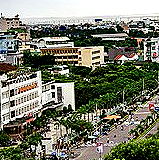
Pleiku is a city located in the Gia Lai province of Vietnam. It is situated in the Central Highlands region of Vietnam, approximately 550 kilometers north of Ho Chi Minh City. It is surrounded by beautiful landscapes, rolling hills, and vast coffee plantations. As of 2003 the district had a population of 186,763.
Quy Nhon is a coastal city in Binh Dinh province in central Vietnam. It is composed of 16 wards and five communes with atotal of 284 km2 (110 sq mi). Quy Nhon is the capital of Binh Dinh province. As of 2019 its population was 457,400.
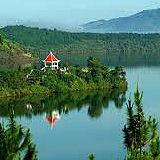
Bien Ho is a beautiful lake located in Gia Lai province, Vietnam. The lake is situated in the Pleiku City area of Gia Lai province in the Central Highlands region of Vietnam. Pleiku City is the capital of Gia Lai and is approximately 550 kilometers (340 miles) north of Ho Chi Minh City.
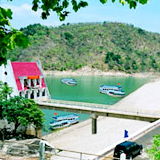
Ho Ayun Ha, also known as Ayun Ha Lake, is a scenic lake located in Gia Lai province, Vietnam. The lake is situated in Ayun Ha commune, Mang Yang district, in the northeastern part of Gia Lai province, Vietnam. It is approximately 50 kilometers (31 miles) northeast of Pleiku City, the capital city of Gia Lai.
Deo Cu Mong or Cu Mong Pass is a mountain pass located on National Highway 1 at the border between Binh Dinh and Phu Yen provinces. The pass is one of the most dangerous mountain passes in Vietnam. In the 1470s, the pass marked the southern limit of the Le Dynasty extension of Vietnamese rule.
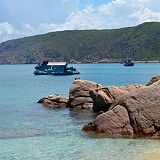
Cu Lao Hon Kho is an island located off the coast of Quy Nhon city in Binh Dinh province, Vietnam. The island is situated in the East Sea, approximately 5 kilometers from the mainland of Quy Nhon. It is a small, uninhabited island known for its natural beauty and pristine beaches. Best time to visit is from March to September.
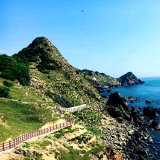
Eo Gio, also known as Gio Pass or Windy Strait, is a scenic coastal area located in Hung Luong, Nhon Ly, Quy Nhon, Binh Dinh province, Vietnam. It is situated approximately 20 kilometers northeast of Quy Nhon city, along the coastline of Binh Dinh province. It is nestled between two rocky cliffs, creating a narrow strait-like passage.
6 Ngo Gia Tu, Nguyen Van Cu, Qui Nhon, Binh Dinh, Vietnam
819 views 💖 2
Bai Trung, also known as Egg Stone Beach or Bai Da Trung, is a picturesque beach located in Qui Nhon, Binh Dinh province, Vietnam. It is a tranquil and beautiful beach that provides a peaceful retreat for those seeking relaxation and natural beauty. Its unique rock formations, soft sandy beach, and clear waters make it an ideal destination for beach lovers and nature enthusiasts visiting Binh Dinh.
Cu Lao Xanh, also known as Blue Island or Nhon Chau island or Van Phi island, is a beautiful island located in Nhon Chau, Quy Nhon, Binh Dinh. The island is situated in the East Sea, approximately 24 kilometers east of Quy Nhon city. It is a small, pristine island known for its turquoise waters and lush greenery.
Binh Dinh (Binh Dinh) is a province of Vietnam. It is located in Vietnam's South Central Coast region. The majority of Binh Dinh province is covered by mountains or hills. Elevations range from 0 at the coast to around 1200 meters above sea level in An Lao district in the north-west of the province. It had a population of 2,487,009 in 2021.
Cau Van Thuan 1, Nhon Tha nh, An Nhon, Binh Dinh, Vietnam
492 views 💖 5
Chua Thap Thap, also known as Thap Thap Pagoda, is a significant Buddhist temple located in An Nhon town, Binh Dinh province. It is located approximately 25 kilometers northwest of Quy Nhon city. Thap Thap temple is a large ancient pagoda, built in Vietnam in 1677. It is surrounded by awall enclosure, three-door temple gate with 2 great columns.
Chua Long Khanh, also known as Long Khanh Pagoda, is a significant Buddhist temple located in Binh Dinh province, Vietnam. It is located approximately 20 kilometers northwest of Quy Nhon city. Chua Long Khanh offers a rich cultural and spiritual experience for those interested in Buddhism and traditional Vietnamese architecture.
Bai tam Hoa ng Hau, also known as Queen's Beach, is a scenic beach located in Quy Nhon city. It is acharming beach destination that showcases the natural beauty of Binh Dinh province. With its pristine environment, tranquil atmosphere, and scenic views, it offers a peaceful retreat for beachgoers and nature lovers visiting the region.
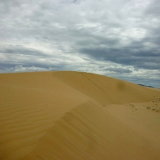
Doi Cat Phuong Mai, also known as Phuong Mai Sand Dunes, is a picturesque sand dune located in Binh Dinh, Vietnam. Visiting Doi Cat Phuong Mai allows travelers to experience the beauty of a unique desert-like landscape in the heart of Vietnam and offers amemorable and distinctive experience in Binh Dinh province.
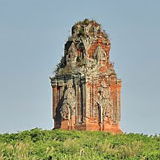
Thap Phoc Loc, also known as Phoc Loc Tower or thap Va ng, is a historical site located in Nhon Tha nh, An Nhon, Binh Dinh province, which is in the central part of Vietnam. It is approximately 40 kilometers northeast of the provincial capital, Quy Nhon.
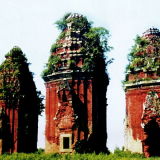
Thap Duong Long or Duong Long Tower is acomplex of three Cham towers close to each other on ahigh mound in Tay Son district of Binh Dinh province. The tower was built in the late 12th century. This is the most flourishing period of Cham culture.