ấp An Bằng, phường Long Hồ, quận Phú Xuân, Thành phố Huế
495 views 💖 3 👍 0
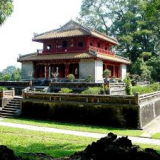
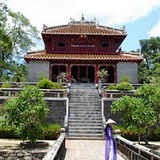
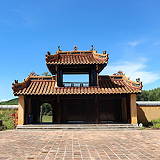
The tomb of the Emperor Minh Mang is located in an enclosed hilly area of Cam Khe village, 12 km from the centre of Hue. The construction of the tomb of Minh Mang started in 1840 and was completed in 1843.
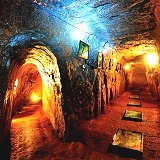
Địa đạo Vịnh Mốc is one of 114 large and small tunnels dug throughout Vinh Linh district, Quang Tri province. These 114 tunnels have a total length of nearly 42km. The Vinh Moc tunnel system was built in about 2 years, from 1965 to 1967. This is an underground tunnel system, including 3 main basements connected together to form a continuous system with a total length of more than 2,000m.
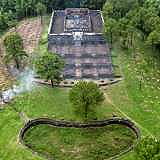
Lang Xuong Tho, also known as the Tomb of Queen Mother Tu Du, is a historic tomb located in Thuy Bang Village, Huong Thuy District, Thua Thien Hue Province, Vietnam. She was the wife of King Thieu Tri, mother of king Tu Duc, so her tomb is within King Thieu Tri's Mausoleum.
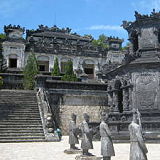
Emperor Khải Định who ruled 1916-1925, has chosen slope of Chau Chu mountain, 10 km from Hue, as the location to build his tomb (Mausoleum of Emperor Khai Dinh). The construction of the tomb was started on 1920 and lasted for 11 years.
The Mausoleum of Emperor Gia Long is located 16km from the centre of Hue, on top of the Thien Tho mountain, on the west bank of the Huong river. Construction of the tomb began in 1814 and was completed in 1820.
Vua Ham Nghi, whose birth name was Nguyen Phuc Ung Lich, was the 9th emperor of the Nguyen Dynasty in Vietnam. He was born on August 3, 1871, and ascended to the throne in 1884 at the age of 13. His reign was short-lived and marked by resistance against French colonial rule.
Phố cổ Hội An, or Hoi An Ancient Town, is a charming and well-preserved historic riverside town located in Hoi An, Quang Nam Province, Vietnam. It is renowned for its unique blend of architectural styles, cultural heritage, vibrant atmosphere and its history as a merchant trading post.
Duong so 28, Binh San, Ha Tien, Kien Giang, Vietnam
409 views 💖 2 👍 0
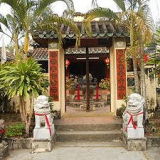
Lăng mộ Mạc Cửu is a historical site located in Binh San village, Ha Tien district, Kien Giang province, Vietnam. It is a significant cultural and historical landmark in the region.
49 Đường Hai Bà Trưng, Phường 2, Gò Công, Tiền Giang
108 views 💖 0 👍 0
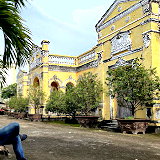
Dinh Đốc phủ Hải is a historic mansion located in Go Cong Town, Tien Giang, Vietnam. This architectural landmark is renowned for its unique blend of Eastern and Western styles, combining Vietnamese and French influences. Built around 1860, the house originally belonged to Đốc phủ sứ Nguyễn Văn Hải, a high-ranking mandarin during the Nguyen Dynasty.
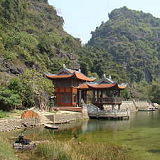
The Trang An Landscape Complex (Di Sản Tràng An), located in Ninh Binh Province, Vietnam, is a renowned UNESCO World Heritage Site recognized for its outstanding natural beauty and rich cultural history. The complex features a stunning landscape of limestone karst peaks, submerged valleys, and winding rivers, often referred to as "Halong Bay on land."
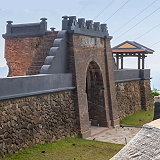
Hải Vân Quan is a historic military fortress located at the summit of Hải Vân Pass, on the border between Huế City and Đà Nẵng City. Built in 1826 under the reign of Emperor Minh Mạng of the Nguyễn Dynasty, it served as a strategic defensive structure to protect the imperial capital of Huế and control movement between the northern and central regions of Vietnam.
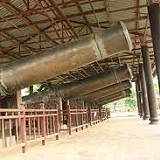
Nine Holy Cannons (Cửu vị Thần công) is the name of the nine cannons of the Nguyen Dynasty that were cast by Hue artisans in the second Gia Long year - 1803. These nine cannons are considered the largest in Vietnam, and are among the most valuable bronze works of art.
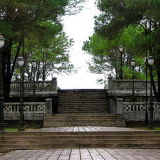
Nam Giao Esplanade (Đàn Nam Giao) - The three-terraced heaven and earth esplanade - was constructed in 1806 where the Nguyen emperors held heaven and earth ceremonies in the spring every three years for the welfare of the country and the stability of the dynasty.
Chin Ham Historical Site (Khu Di Tích Lịch Sử Chín Hầm), also known as Nine Tunnels, is a historical site in An Tay ward, Hue city, about 6 km south of the city center, at the foot of Thien Thai mountain. It's called Nine Tunnels, but actually there are only 8 cellars and an attic. This is the area where the treasure of war materials and weapons was built by the French army in 1941.
Tomb of Empress dowager Thuận Thiên (Lăng Bà Thuận Thiên Cao Hoàng Hậu) - Empress Thuan Thien, born Tran Thi Dang in Van Xa village, Huong Tra, Thua Thien, was the second wife of Emperor Gia Long of Vietnam and mother of Emperor Minh Mang.
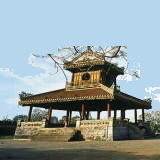
Phu Văn Lâu is a historic building located in the city of Hue in Thua Thien Hue province, Vietnam. It was built during the Nguyen Dynasty, which ruled Vietnam from 1802 to 1945. The building was constructed in 1817 and served as a pavilion where the emperor would deliver speeches and proclamations to his subjects.
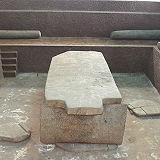
Hang Gon megalithic Tomb, also known as Mộ cự thạch Hàng Gòn, Di chỉ Hàng Gòn 7, Mộ Đông Dương, Mả Ông Đá, is a unique and remarkable historical site located in Long Khanh, Dong Nai Province, Vietnam. It is known for its distinctive tomb structure, which stands out due to its architectural design and the materials used. It is primarily made of stone, including massive stone slabs and columns.
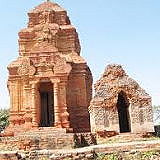
Bimong Po Rome (Tháp Po Ro Me), also known as the Po Ro Me Cham Towers, is a historical site located in Phuoc Huu, Ninh Phuoc District, Ninh Thuan Province, Vietnam. Similar to other Cham tower complexes, Thap Po Ro Me holds cultural and architectural significance as arelic of the Cham civilization's presence in the region.
Hue Historic Citadel (Kinh thành Huế), located in Hue City, Vietnam, was the capital of the Nguyen Dynasty from 1802 to 1945. The Imperial City was built in the early 19th century during the reign of Emperor Gia Long and was designed to reflect the unique cultural and architectural traditions of Vietnam.
Thái Tổ miếu is a historical site dedicated to the worship of the first kings of the Nguyen dynasty. The construction of Thai To Mieu began in 1806 during the reign of Emperor Gia Long and was completed in 1833 during the reign of Emperor Minh Mang. The temple complex covers an area of over 7,000 square meters and features a range of traditional Vietnamese architectural styles.