Bà Rịa
Bình Chánh
Bình Dương
Cần Giờ
Châu Đức
Củ Chi
Hóc Môn
Long Đất
Nhà Bè
Phú Mỹ
Thủ Đức
Vũng Tàu
Xuyên Mộc
Hcm City » Cho Lon
»
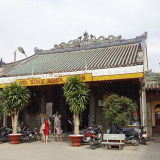
| Nghia Nhuan Hoi Quan | |
| The Nghia Nhuan Assembly Hall of the Minh Huong community (Nghĩa Nhuận Hội Quán) contains some of the most beautiful artworks in Ho Cha Minh City. | |
| Nhi Phu Hoi Quan | |
| Nhị Phủ Hội Quán, also known as Chùa Ông Bổn - Tua Pek Kong, is a famous and historically significant Chinese pagoda. It is an important cultural and spiritual site in the bustling Chinatown of the city, known as Cholon. The pagoda was built in the late 17th century by Vietnamese-Chinese people. It is the only pagoda in Ho Chi Minh City dedicated to Bo Dau Cong, a Chinese eunuch. | |
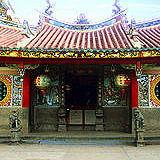
| Phuoc An Hoi Quan | |
| Built in 1902 by the Fujian Congregation, Phước An Hội Quán is one of the most beautifully ornamented pagodas in HCMC. Of special interest are the many small porcelain figures, the elaborate brass ritual objects and the fine woodcarvings on the altars, walls, columns and hanging lanterns. From the exterior, look out for the ceramic scenes, each containing innumerable small figurines, which decorate the roof. | |

| Chua Quan Am | |
| Chùa quan âm, also known as Hội quán Ôn Lăng - On Lang Assembly Hall, is a Chinese-style Buddhist temple located in Cholon, Ho Chi Minh City, Vietnam. Founded in the 19th century, the temple is dedicated to Quan Am, the compassionate goddess of China and an incarnation of the Bodhisattva Avalokiteshvara of India. It is popular among both Vietnamese and Chinese Buddhists. | |
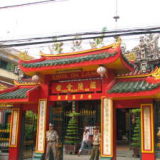
| Minh Huong Hoi Quan | |
| Minh Hương Gia Thạnh Hội Quán, also known as Minh Huong Assembly Hall, is a historically significant and culturally rich site in District 5, Ho Chi Minh City, Vietnam. Founded by the Minh Huong community, descendants of Chinese immigrants who migrated to Vietnam during the decline of the Ming Dynasty, it reflects the cultural and spiritual life of this community. | |

| Tam Son Hoi Quan | |
| Tam Son Assembly Hall (Tam Sơn Hội Quán) once stood right next door to the lost Pagode des Sept Congregations and now contains two of its former shrines. Built by the Fujian Congregation of Saigon in 1839, Tam Son Hoi Quan Pagoda has thankfully retained its rich ornamentation. | |

| Ha Chuong Hoi Quan | |
| Hội quán Hà Chương, also known as Ha Chuong Assembly Hall, is a typical Fujian temple dedicated to Thien Hau, who was born in Fujian. The four carved stone pillars, decorated with dragon motifs, were made in China and transported to Vietnam by ship. There are interesting murals on either side of the main altar and impressive ceramic reliefs on the roof. | |
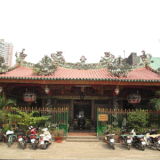
| Nha Tho St Francis Xavier | |
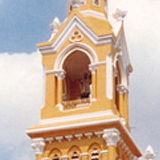
| Nhà thờ Giáo xứ Thánh Phanxicô Xaviê, also known as St Francis Xavier Church, | |
| Hoi Quan Nghia An | |
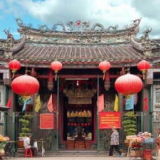
| Hội Quán Nghĩa An (Nghĩa An Assembly Hall) is one of the most famous and culturally significant Chinese community halls in Cho Lon ward, Ho Chi Minh City, Vietnam. It holds great importance for the Vietnamese-Chinese community, especially those of Teochew (Chaozhou - Triều Châu) origin. | |
| Cho Lon | |
| Chợ Lớn Ward was established on the basis of merging 4 wards: 11, 12, 13, 14 of District 5. The new administrative unit's headquarters is located at 279 Hai Thuong Lan Ong Street. This neighborhood has long been inhabited by Chinese people and is considered Chinatown. | |
